2026-02-04
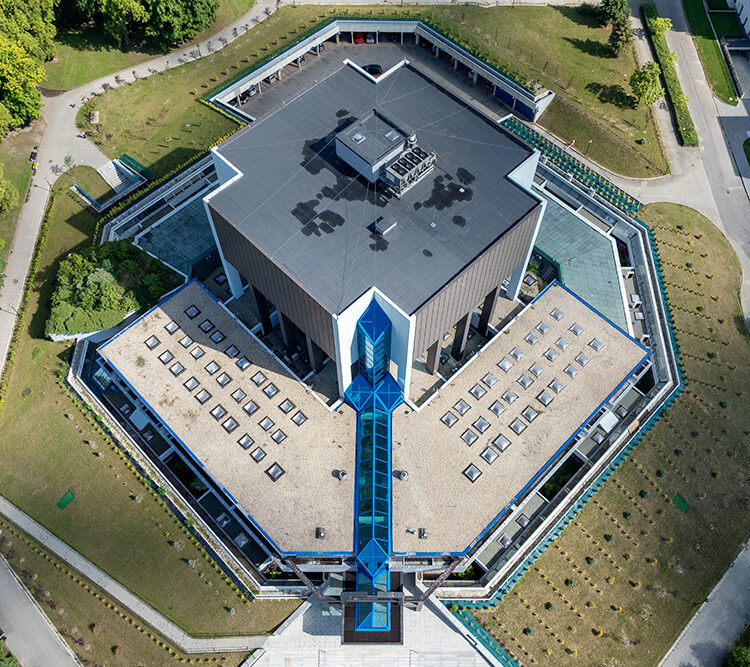
The headquarters of the Silesian Library in Katowice. The building was constructed between 1991 and 1998, designed by the ARAR group (Marek Gierlotka, Jurand Jarecki, Stanisław Kwaśniewicz). Address: 1 Rady Europy Square, Katowice.
2026-02-04
The headquarters of the Silesian Library in Katowice. The building was constructed between 1991 and 1998, designed by the ARAR group (Marek Gierlotka, Jurand Jarecki, Stanisław Kwaśniewicz). Address: 1 Rady Europy Square, Katowice.
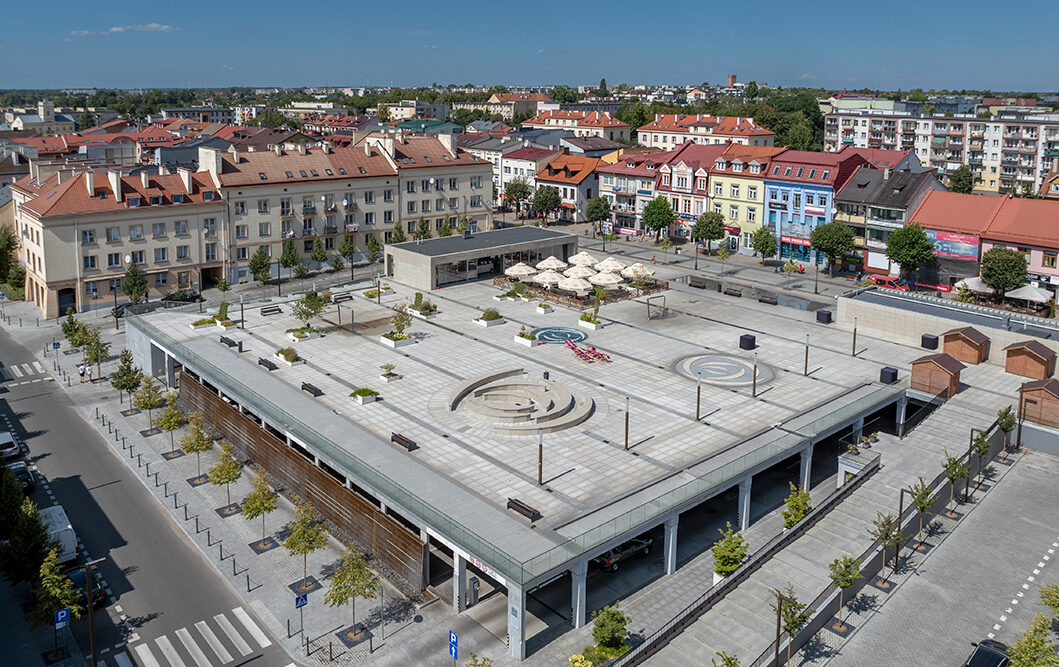
Freedom Square in Kutno, known throughout Poland as “Kutno Market Square,” is the most famous example of controversial urban revitalization, a “concrete overgrowth” built with tens of millions in EU funding in the interests of car drivers. Its reconstruction, carried Read more…
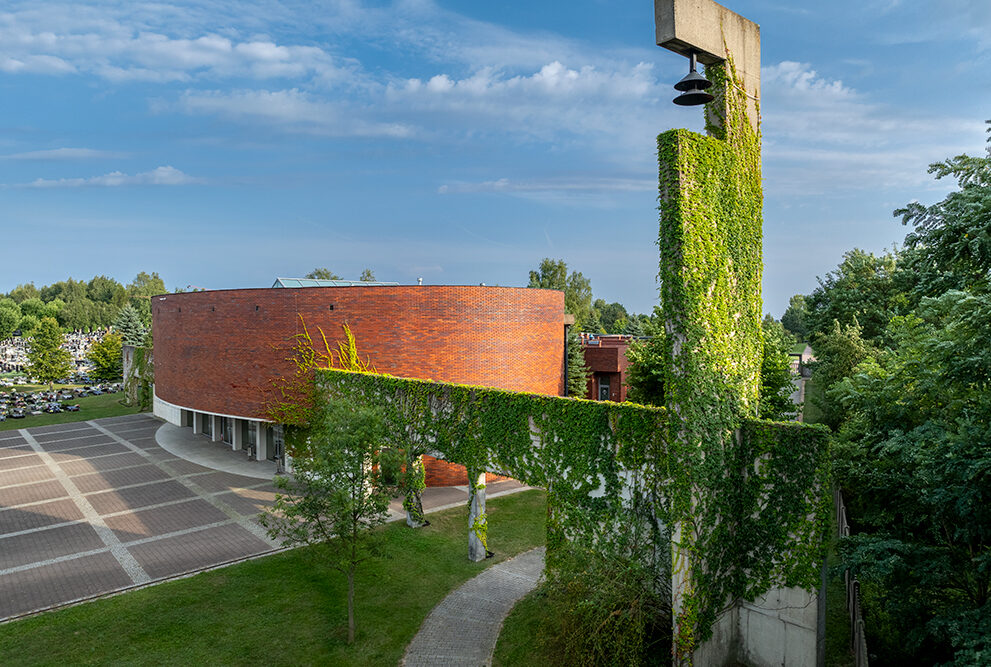
The building opened in 2003. Designed by a team of architects: Adam Pytel, Jarosław Kołodziejczyk, Ziemowit Domagała, and Stanisław Oset. It received an honorable mention in the national SARP competition (2003), and was recognized as the Best Architectural Building in Read more…
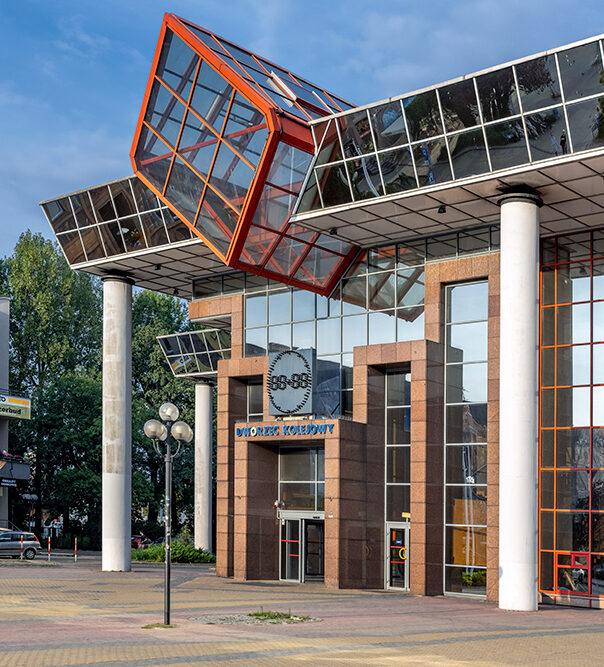
The Częstochowa Railway Station complex was built between 1989 and 1996, designed by Krakow architect Ryszard Frankowicz. The postmodern station building itself covers almost 3,200 square meters. At the time of its opening, it was one of the most modern Read more…
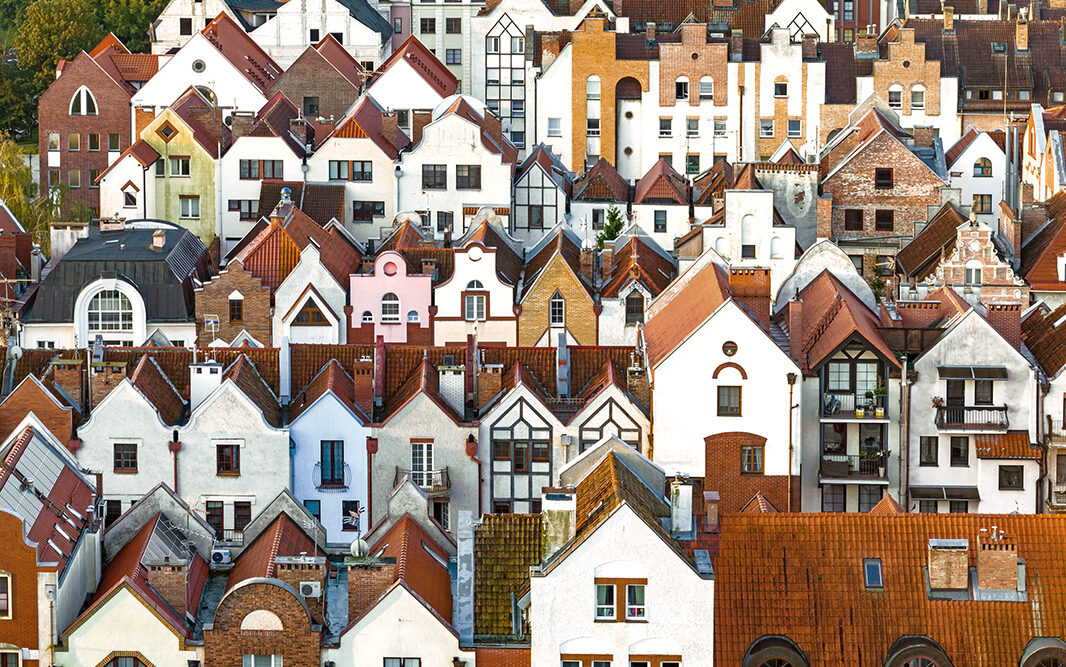
The Old Town in Głogów is the most famous example of postmodernist retroversion of the destroyed historic city center. Retroversion—a term coined by Professor Maria Lubocka-Hoffmann, the author of the concept—entails the reconstruction of historic architecture while preserving the street Read more…
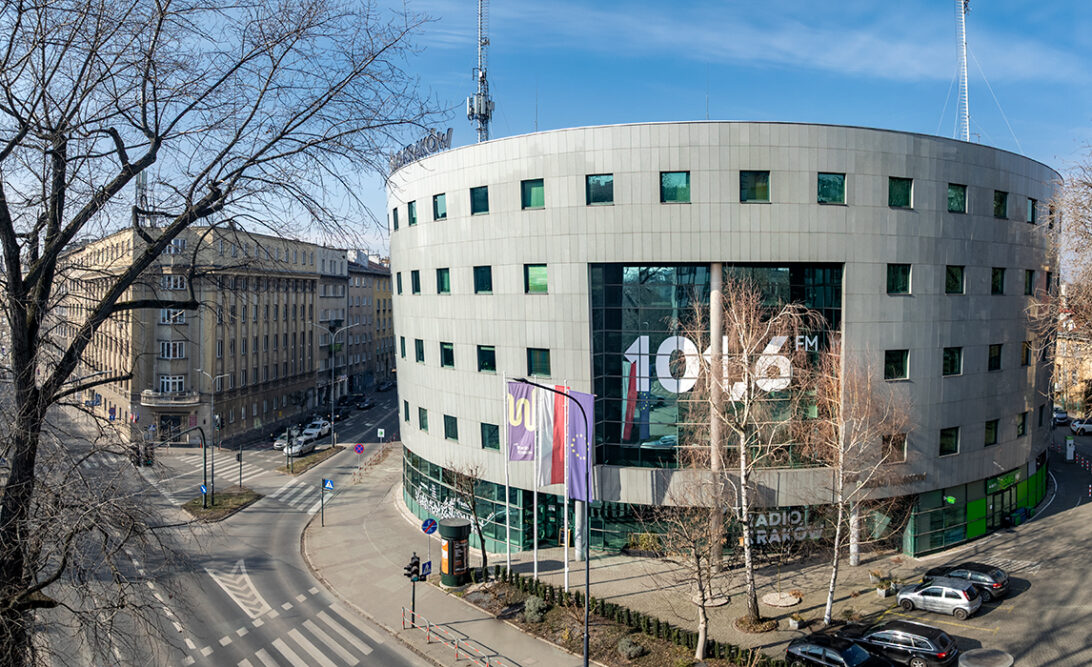
The building on Słowackiego Avenue was completed in 1999, based on the competition-winning design by Tomasz Mańkowski. Winner of the Mister Krakow award in 2000. Address: Juliusza Słowackiego 22, Kraków.
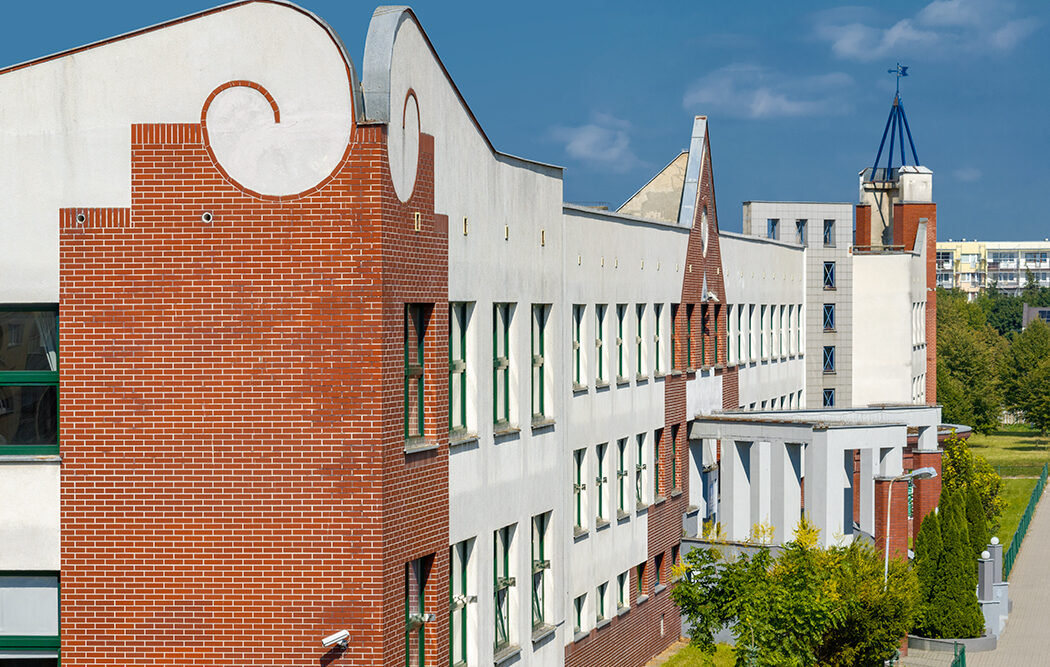
A postmodernist building designed by Zbigniew Palma, built in 1996. It houses the Julian Tuwim Youth Palace, a cultural and educational institution. It is located in Łódź’s largest housing estate, Retkinia, at 86 Wyszyńskiego Avenue.
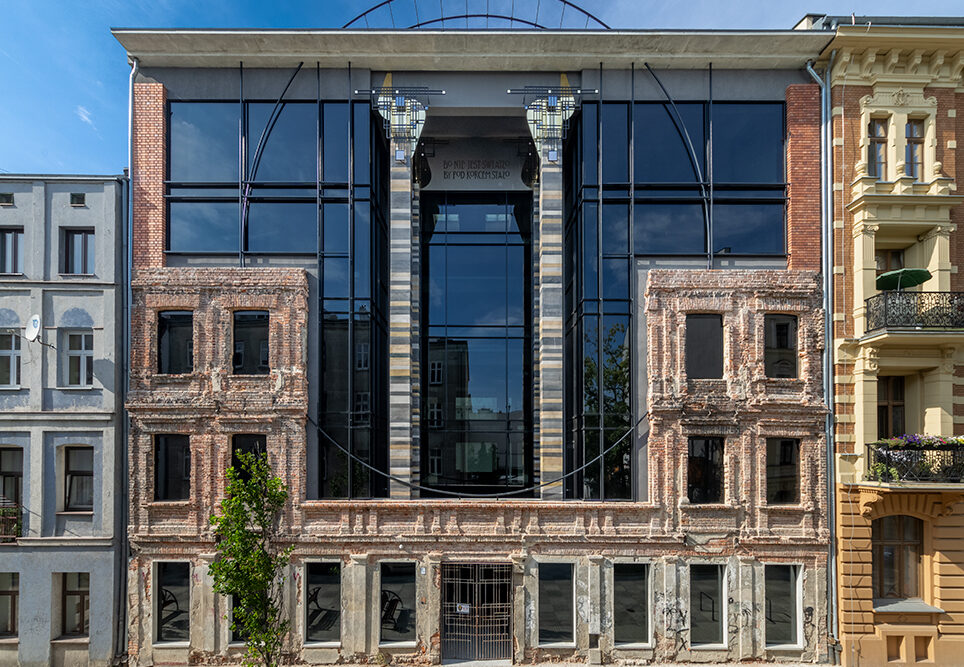
One of the tenement houses undergoing renovation on Włókiennicza Street in Łódź, unlike a dozen or so others, was rebuilt and remodeled by private entrepreneur Andrzej Walczak – an architect, artist, and businessman. He collaborated with architect Wiesław Jankiewicz (technical Read more…
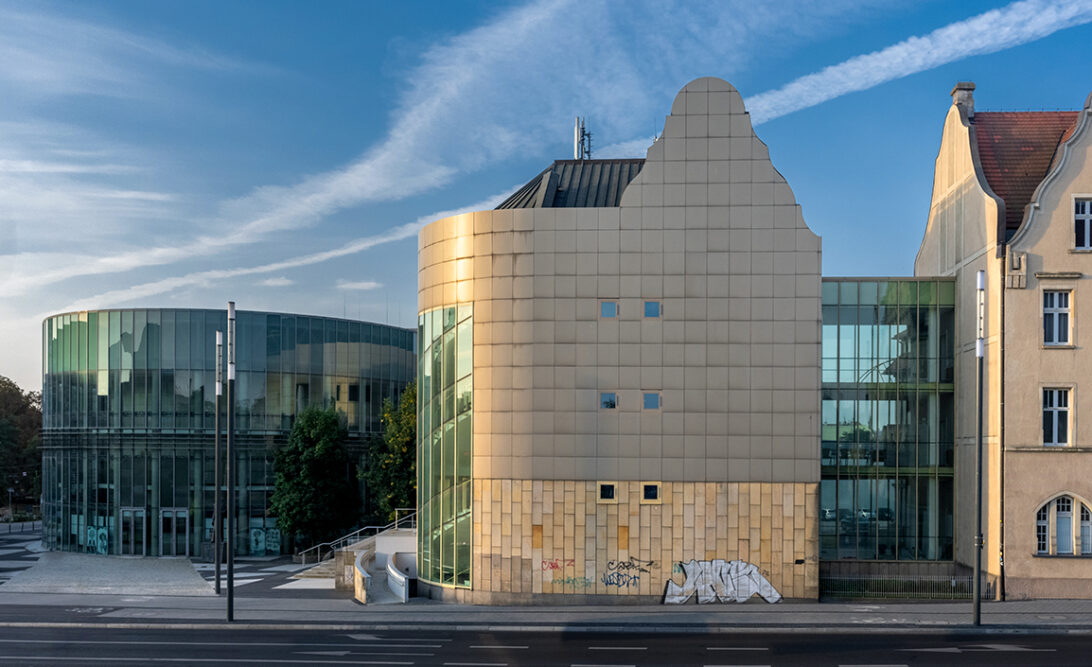
The new wing of the Poznań Academy was built between 1995 and 1997, designed by Jerzy Gurawski. It echoes the adjacent, historic Johannes of Charlottenburg building from the early 20th century. In 2006, the complex was expanded to include the Read more…
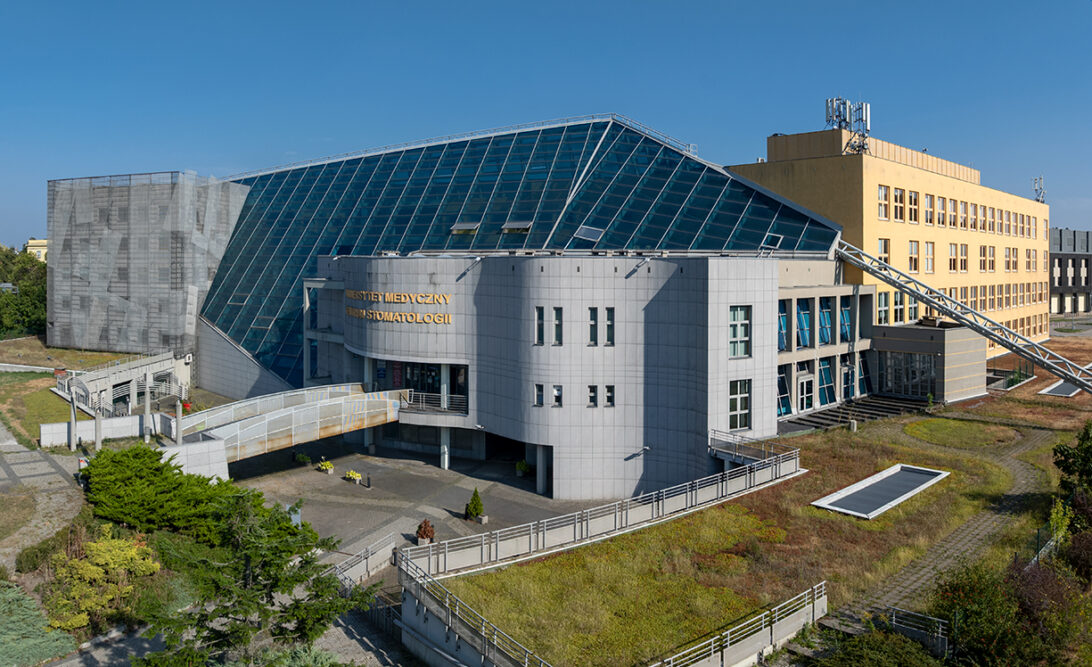
The deconstructivist building, designed by Piotr Namysł, was opened in 2004. The building is currently occupied by the Specialist Clinical Hospital of the Poznań University of Medical Sciences. Address: Bukowska 70, Poznań.
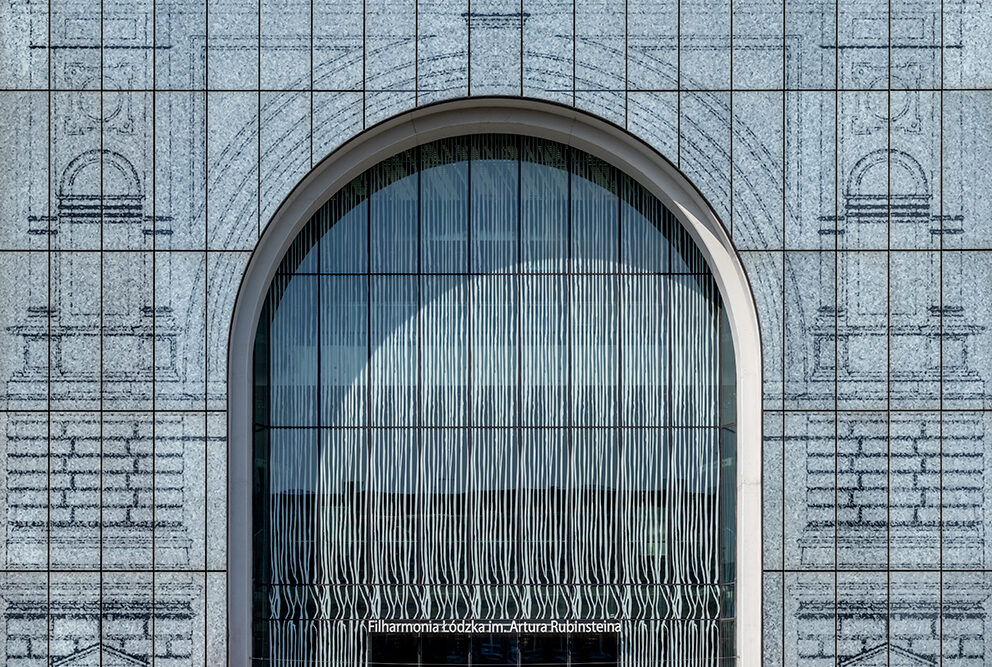
The Philharmonic Hall was built between 2000 and 2004 on the site of the demolished Ignacy Vogel Concert Hall from the turn of the 20th century, whose façade is echoed by the postmodern design by Krakow architect Romuald Loegler. The Read more…
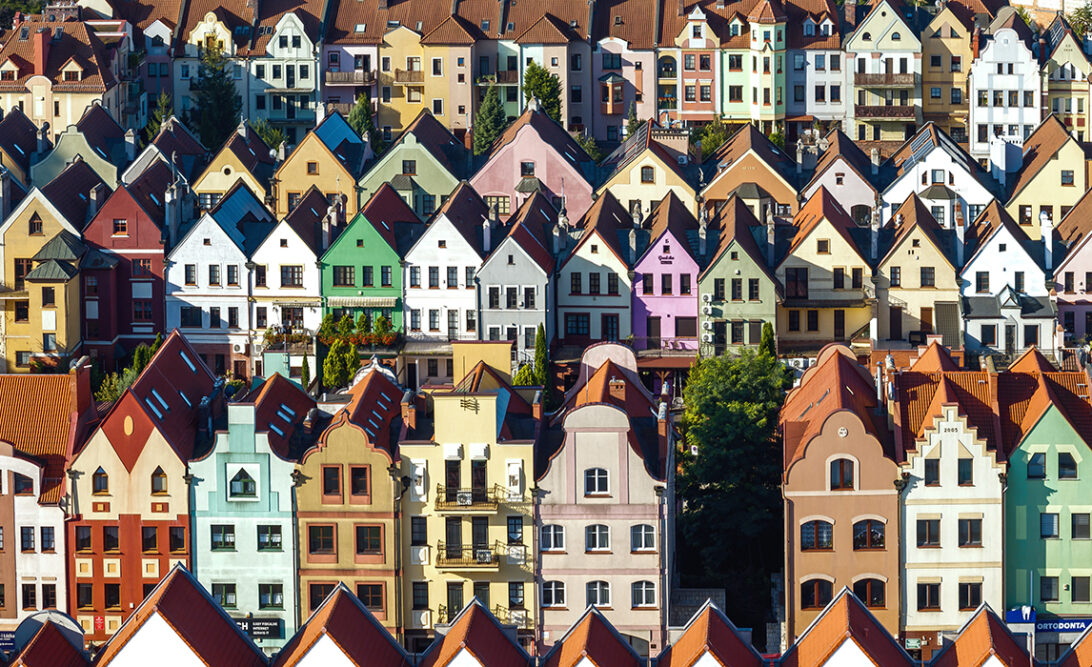
Głogów’s historic Old Town was almost completely destroyed during a seven-week bombardment by the Russians in early 1945. Immediately after the war, only 500 Poles lived among the ruins, and the remains of the city’s historic buildings became a source Read more…
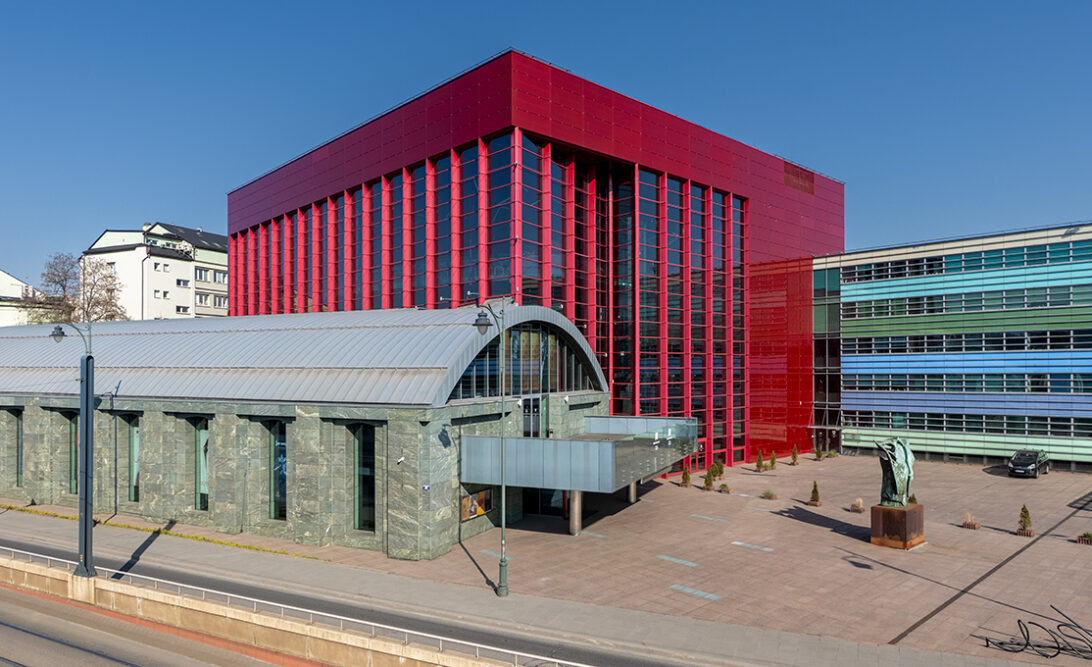
The building complex was built between 2004 and 2008, designed by Romuald Loegler. The lowest building, with a semicircular roof and an entrance to the opera house, is a former horse riding school from the early 20th century. The building Read more…
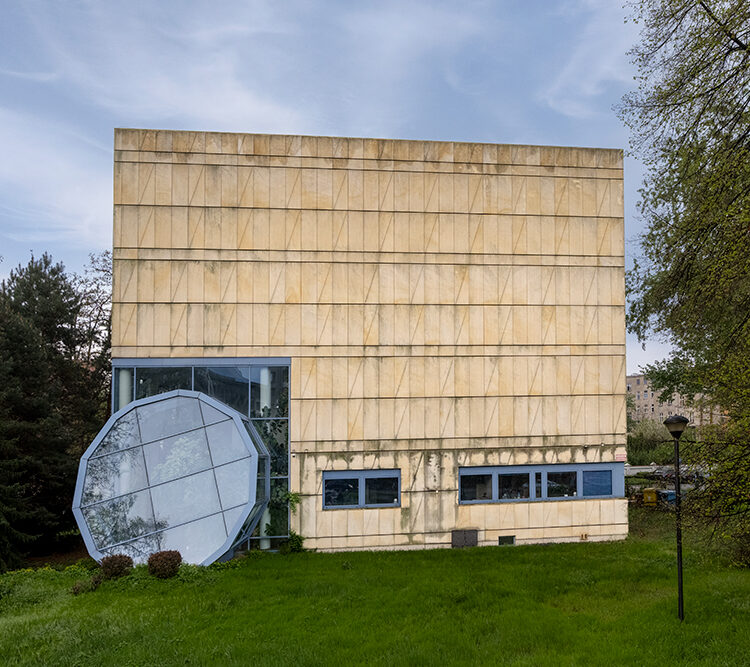
This four-story, cube-shaped building with a distinctive, glass-enclosed round corner is a branch of the University of Wrocław’s Museum of Natural History, housing herbariums containing plant specimens (including the oldest herbarium in Poland, that of Sylwiusz Boccone). The building, designed Read more…
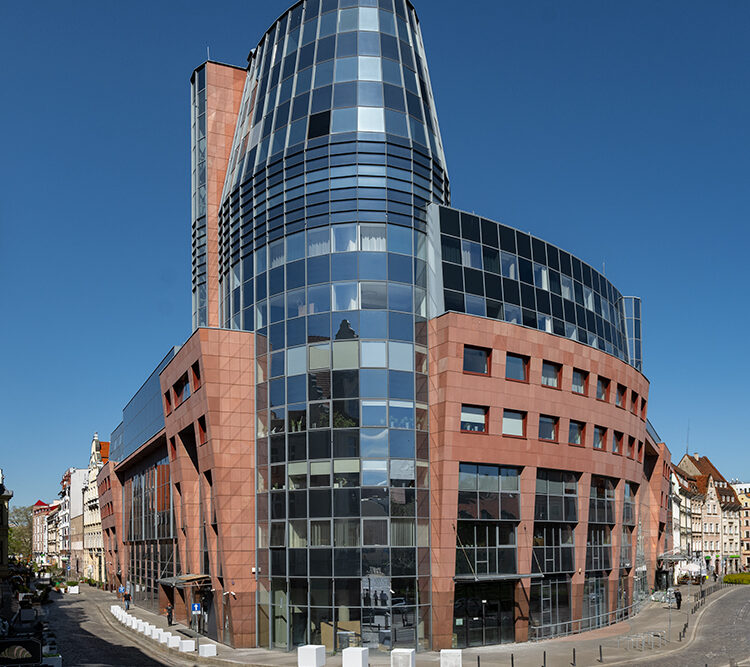
An office and cinema complex (opening until 2025) located at the intersection of Kazimierza Wielkiego and Św. Antoniego Streets in the center of Wrocław. Built between 1999 and 2002, the building was designed by Wojciech Jarząbek, Jerzy Chmura, Helmut Sprenger, Read more…
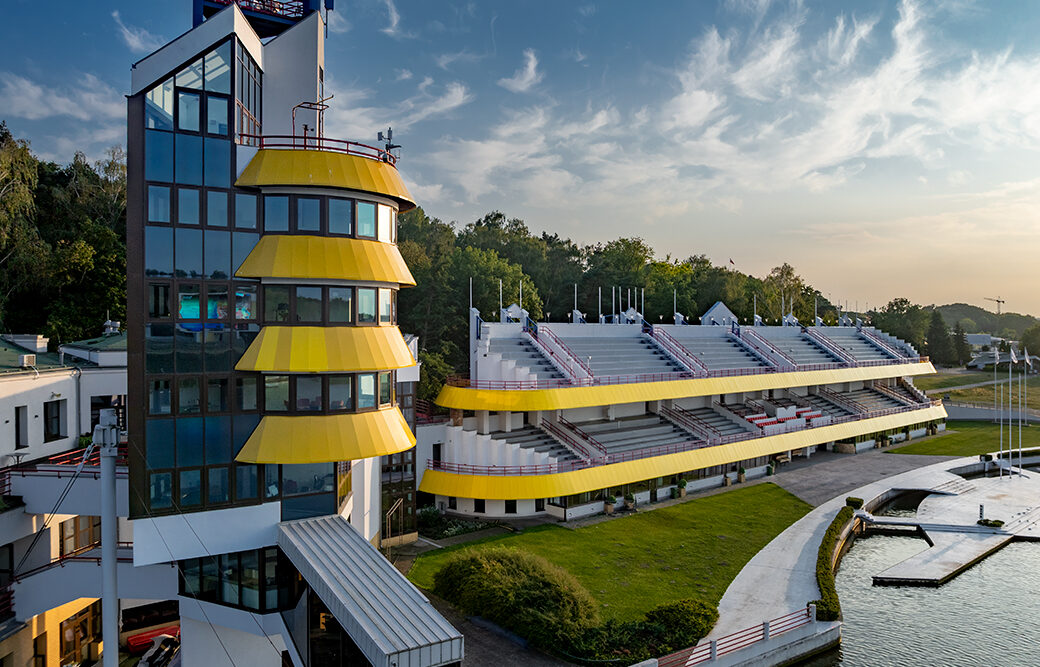
A complex of buildings with stands, a referee’s tower, and a refereeing center, located on Lake Malta in Poznań. The center was built in the early 1990s according to a design by Klemens Mikuła, who was partially based on a Read more…
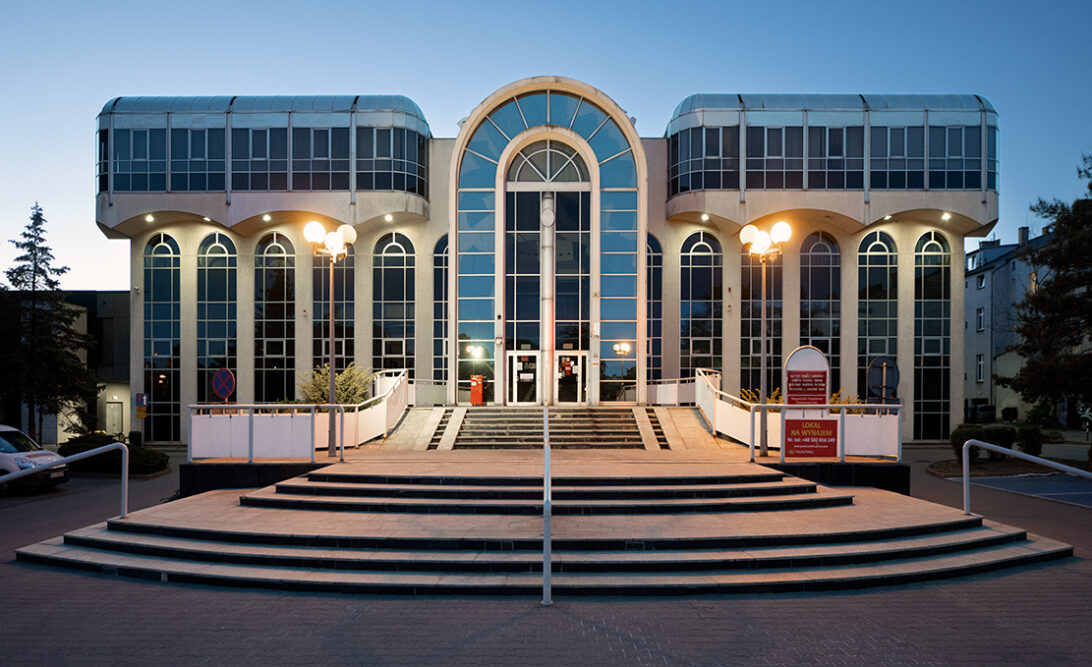
The District Post Office building in Gorzów Wielkopolski was built between 1993 and 1997, designed by architect Jerzy Suchanek. The building was constructed by the construction company Inter Bud Gobex. It has 11,000 square meters of space. Address: ul. Kazimierza Read more…
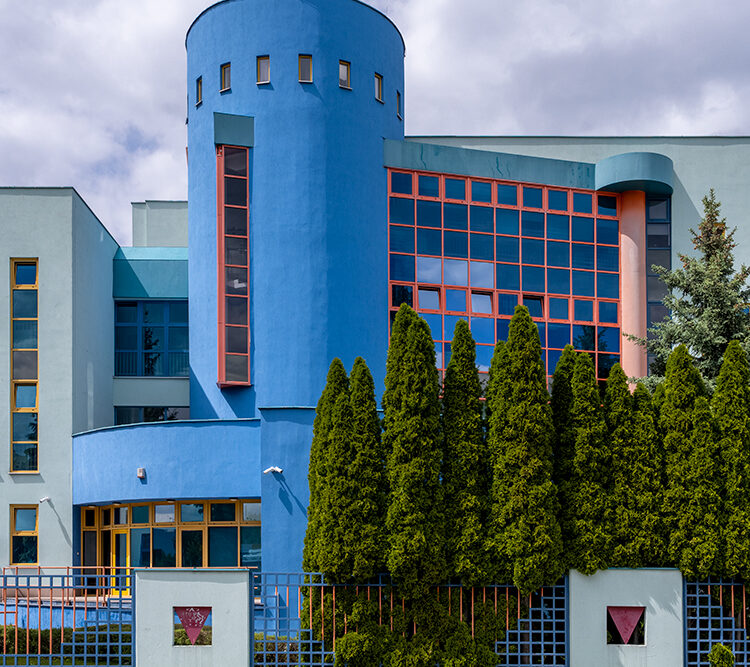
The most famous, colorful, postmodern “ZUS Palace” of the Polish transformation era. Built in 1997, it was designed by Leopold Chyczewski, a longtime collaborator of Wojciech Jarząbek (Studio Air-5) and co-creator of many Polish postmodern icons. Address: ul. Sygietyńskiego 10, Read more…
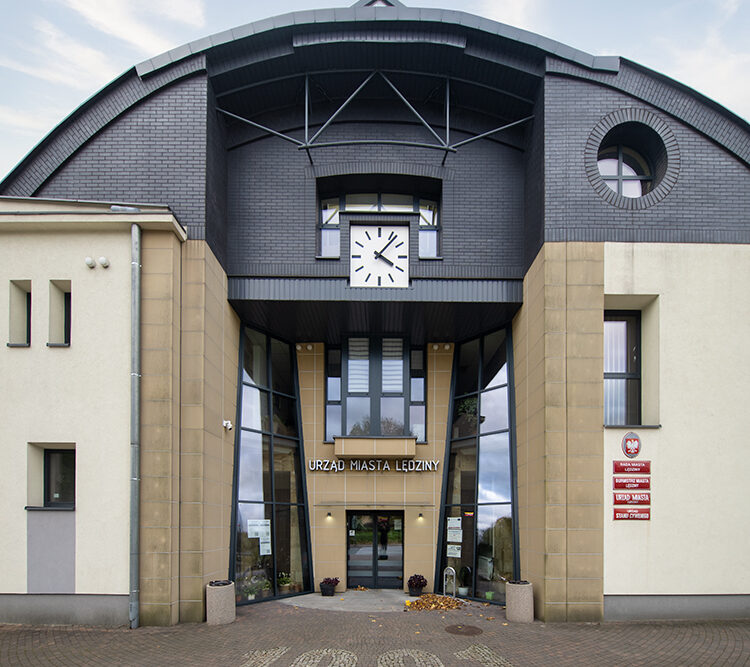
Lędziny was granted city rights in 1991 after being separated from Tychy following the local government reform of the early 1990s. The office building was constructed on the basis of two simple buildings donated to the new town by the Read more…
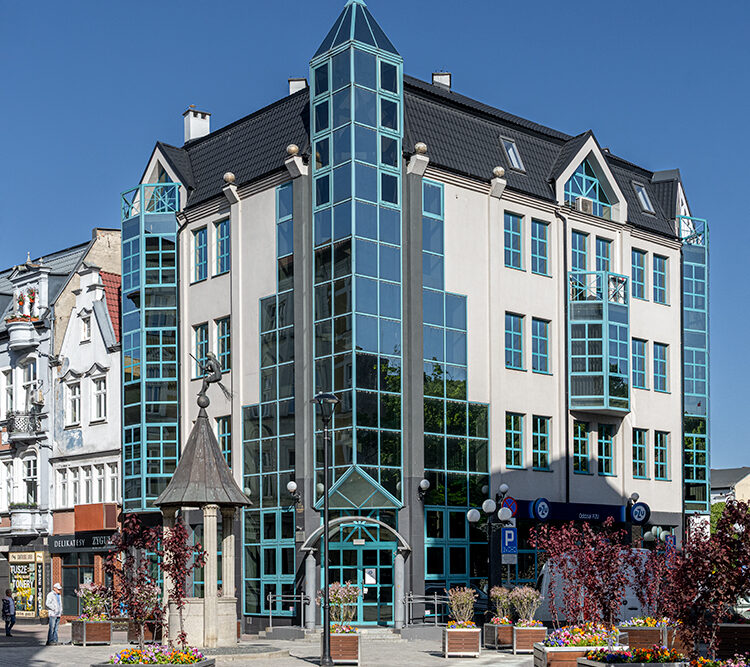
This corner building at Wełniany Rynek and Hawelańska Streets in Gorzów Wielkopolski was built in the early 1990s according to a design by Pracownia Autorska DOM. Address: Wełniany Rynek 12A, Gorzów Wielkopolski.
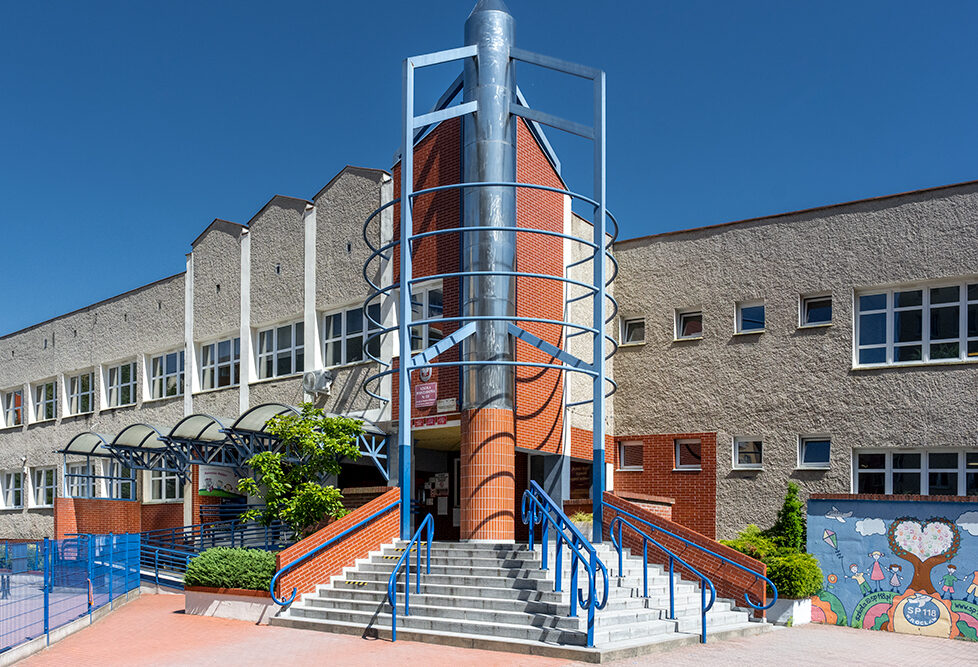
The school was built in the early 1990s on the site of a former airport. The building’s architectural design was created by Zbigniew Malinowski (1943-2013), a colleague of Andrzej Chachaj, with whom he designed the Gądów-Lotnisko housing estate surrounding the Read more…
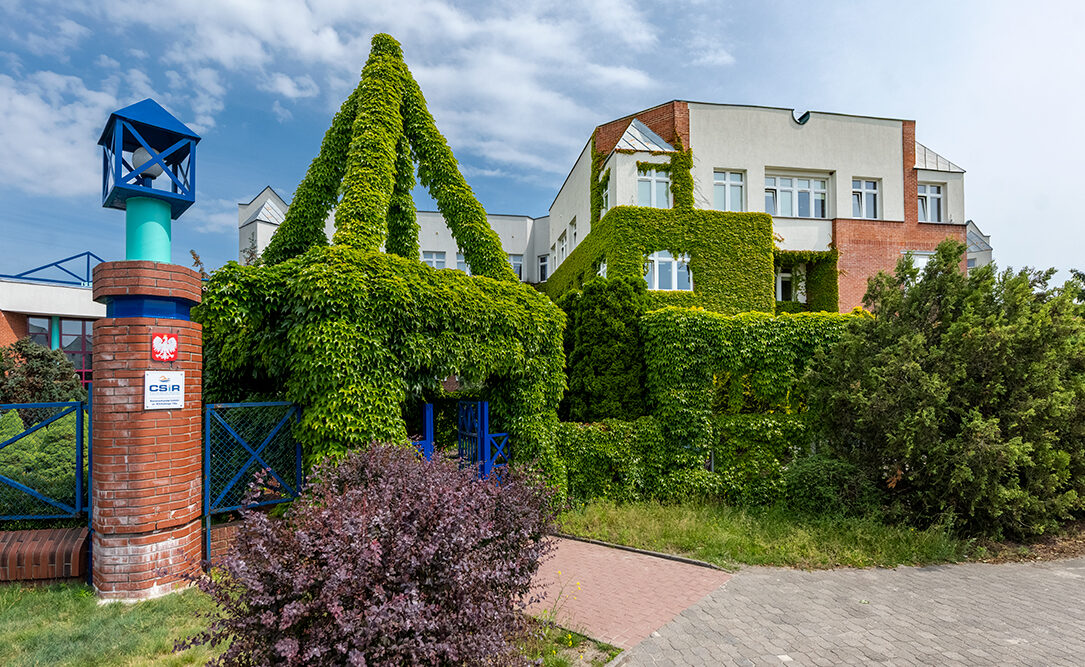
The high school building was constructed between 1991 and 1993 and expanded with an additional wing and a swimming pool in 1996. The complex was designed by Łódź architect Zbigniew Palma, in collaboration with Mirosław Błaszczynski and Tomasz Królikowski. Address: Read more…
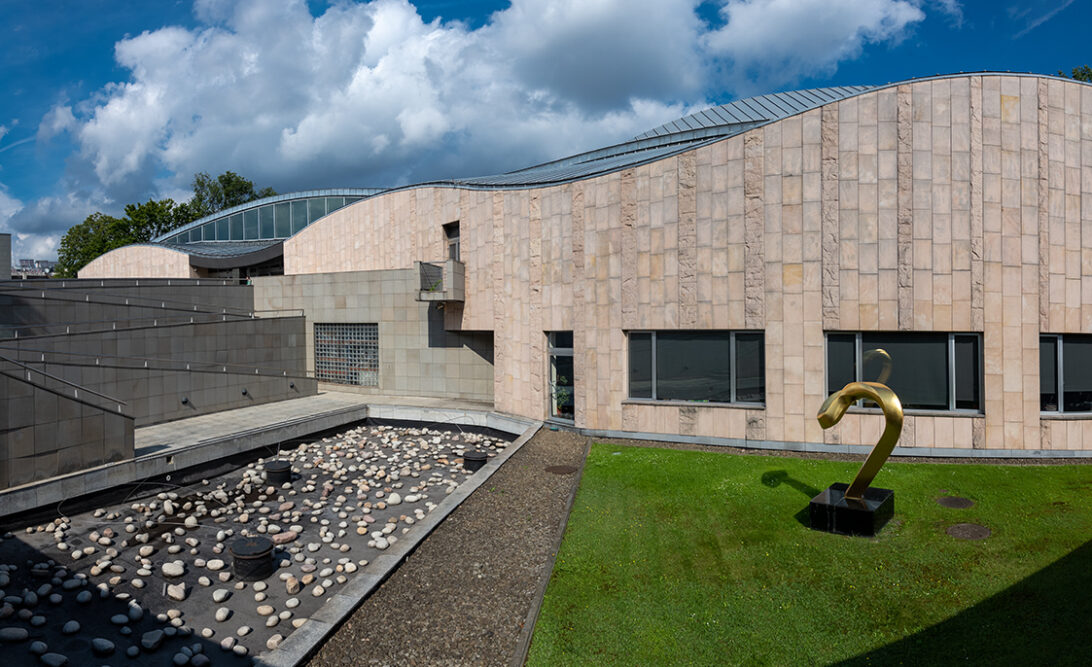
The museum opened in 1994, designed by Japanese architect Arata Isozaki in collaboration with Krzysztof Ingarden and JET Atelier. It was founded at the initiative of Andrzej Wajda, who allocated funds from the Kyoto Film Prize for its construction. In Read more…
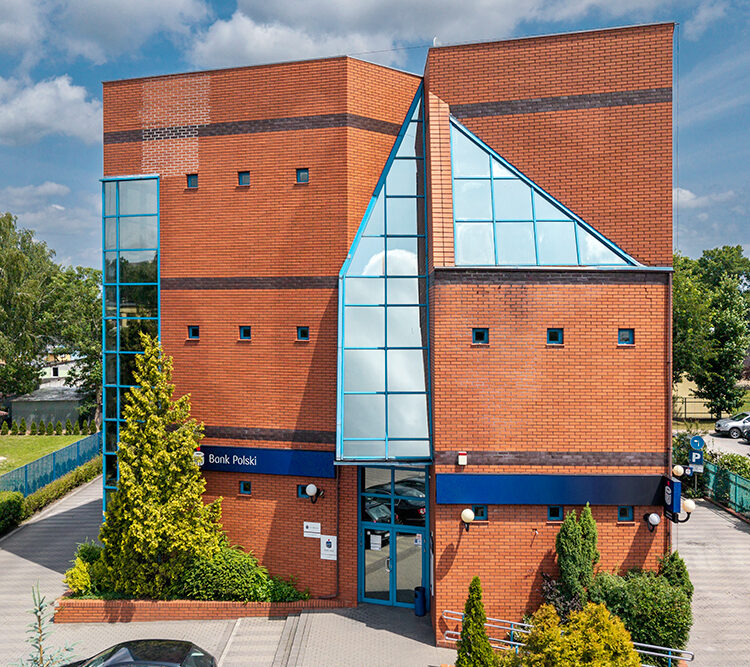
This three-story office building in Bełchatów was designed by the Łódź-based architectural studio Marciniak and Witasiak. It was completed in 2000 and a year later received an award in the PZITB “Construction of the Year” competition. It stretches for over Read more…
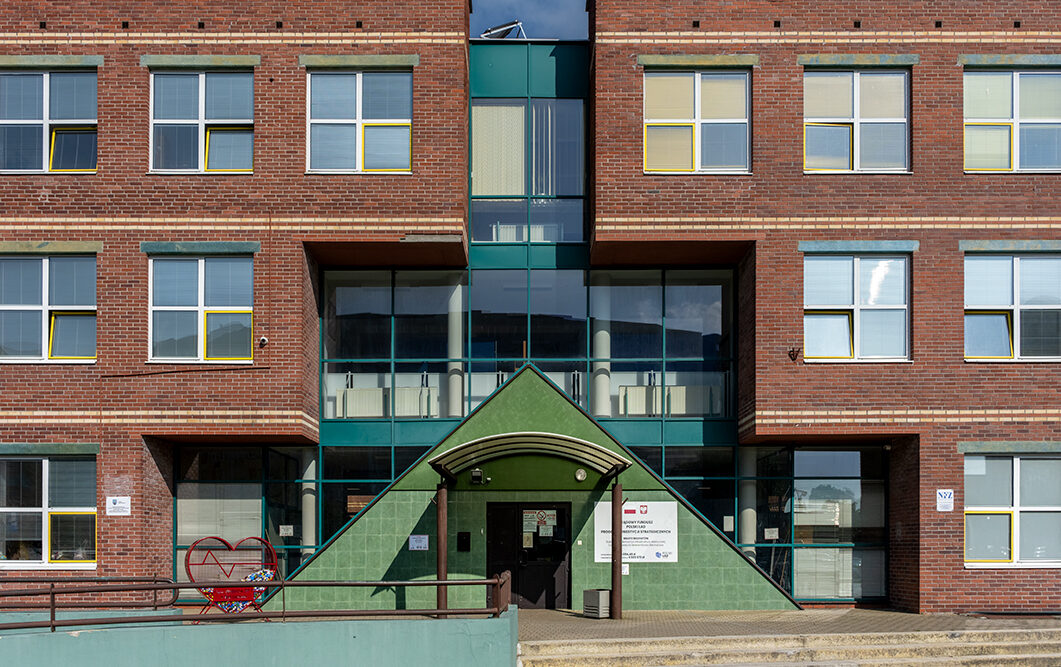
A complex of two buildings constructed in 1998-1999, designed by WMA Architekci of Warsaw (under the supervision of Magda Musiał). Seven years later, the complex expanded to include a sports hall, accessible via a connecting passage on the north side Read more…
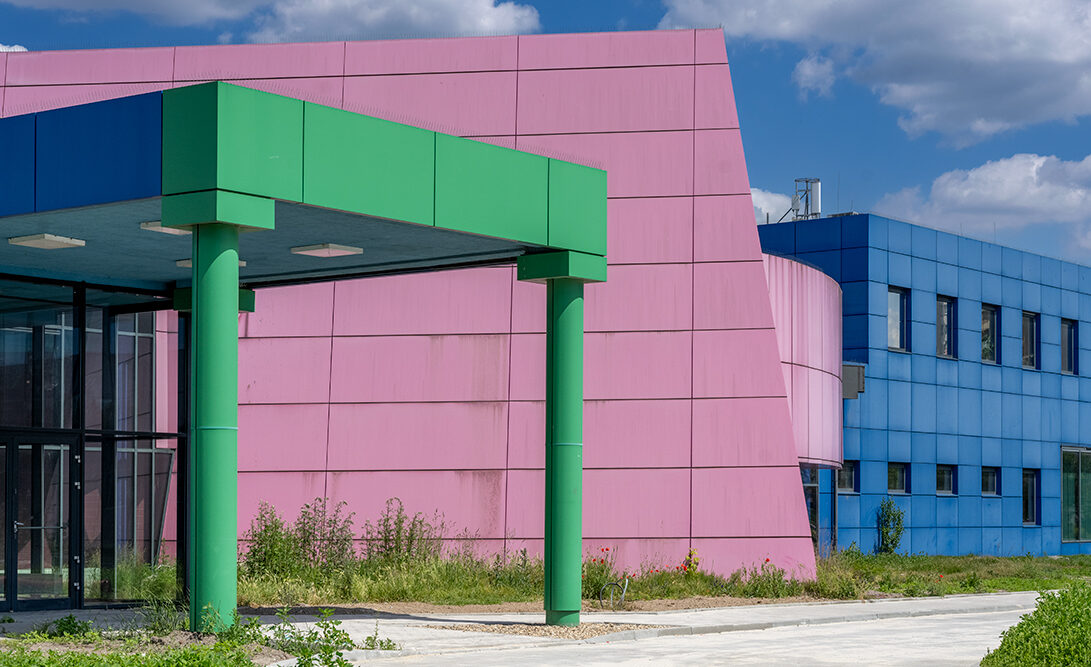
The Opole University of Technology lecture hall complex was designed in 1999 as a connecting link between three PO student dormitories. The architectural design was created by Maria Słota Puda and Marek Termiłowski. Construction took 11 years, ending in 2011. Read more…
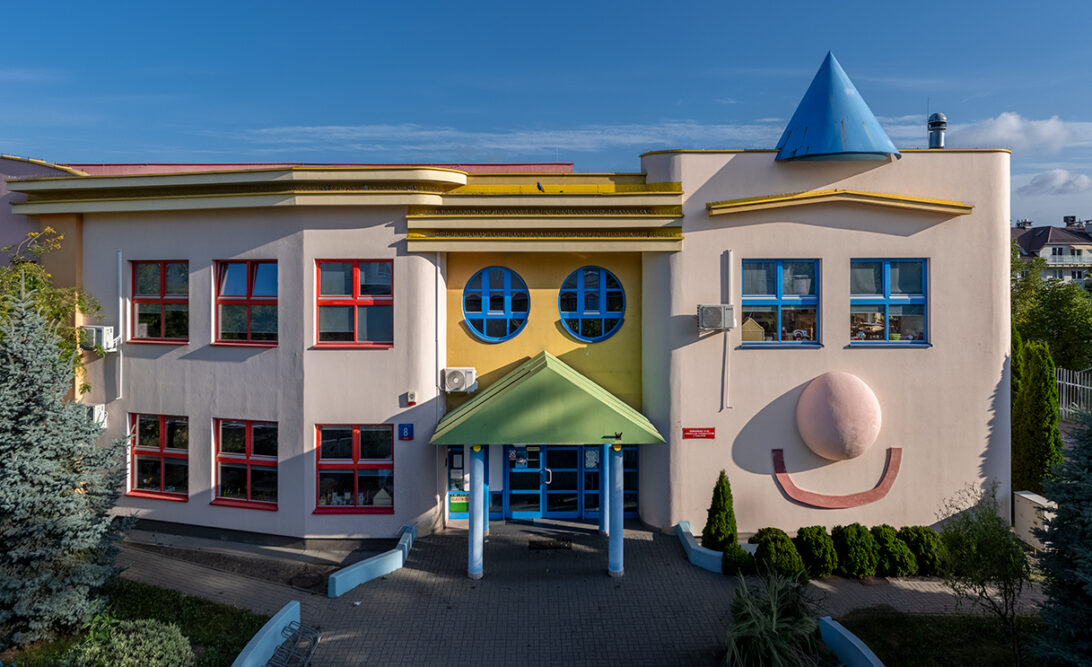
Children like it. Adults, not so much. In 2021, the building was included in a publication by the Culture.pl website, listing “monstrosities” that are destroying the landscape. In 2007, when preparations for the investment were underway, the deputy mayor of Read more…
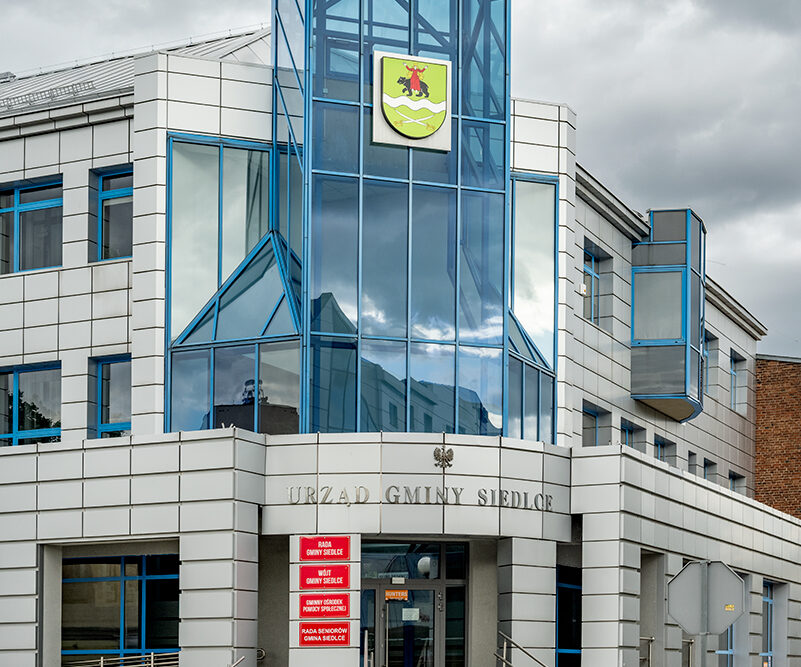
Polish postmodernism of the early 21st century. Completed in 2008, the corner building’s form reflects the city’s characteristic Classicist architecture. A semicircular staircase leads to the office, the corner is crowned by a tower, and the facades are adorned with Read more…
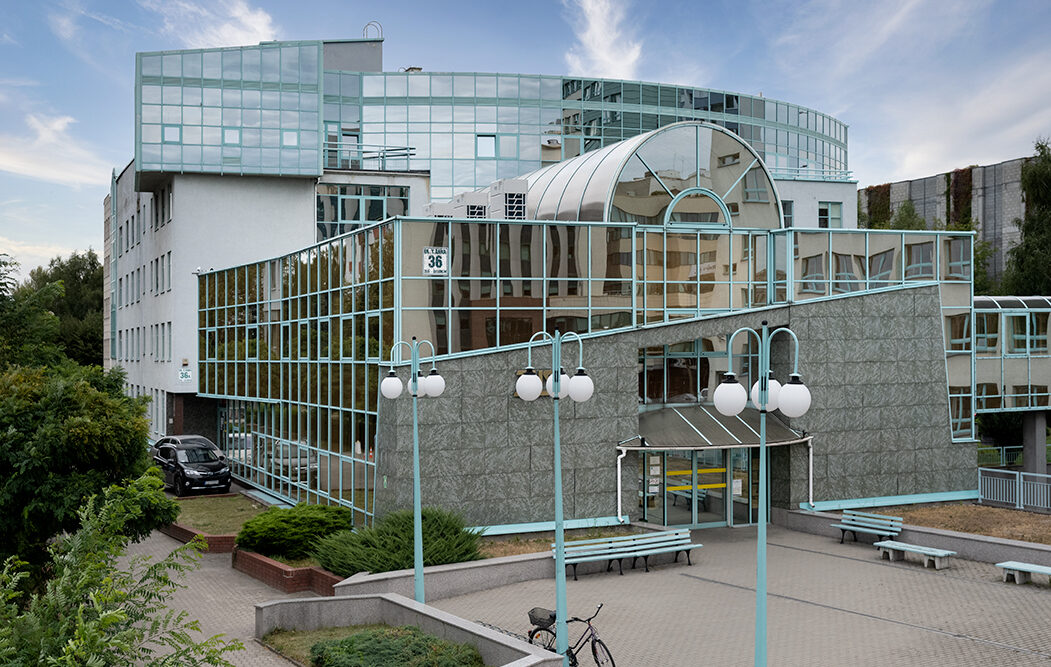
The building complex was expanded in 1998 in the postmodern style, designed by Zygmunt Hofman and Witold Thumenas (HTT Studio). The most distinctive part of the complex is the operating hall, with a deconstructivist façade made of green stone and Read more…
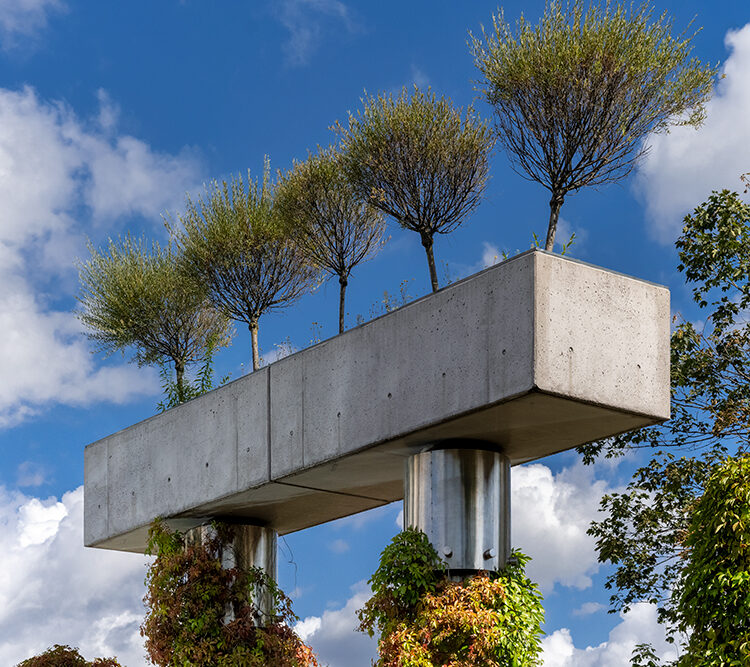
The Białystok project was designed by Marek Budzyński, the architect of the University of Warsaw Library and the Supreme Court Library in Warsaw, iconic examples of Polish postmodernism. The design was selected in an international competition held in 2005. The Read more…
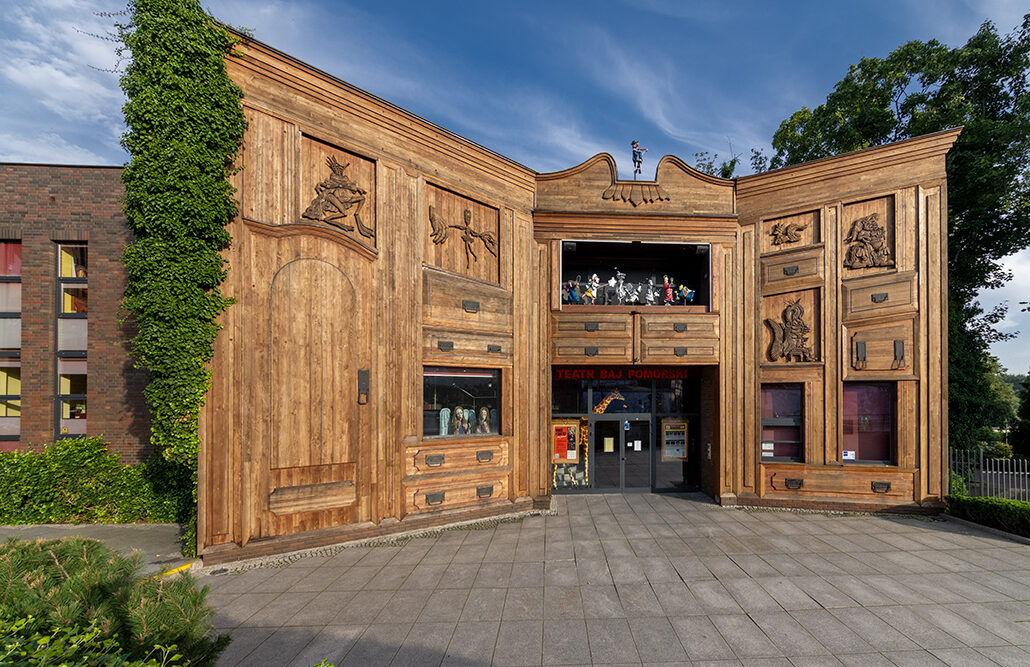
The building was expanded and modernized in 2005-2006, based on a design by the Ambit architectural studio (Elżbieta and Mateusz Grochoccy), which collaborated with Czech theatre set designer Pavel Hubička, who designed the building’s facade in the form of a Read more…
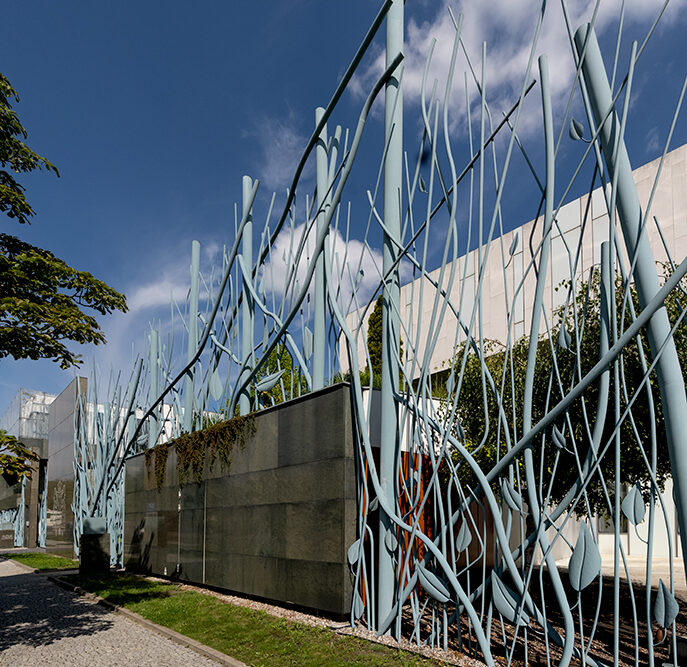
Unconventional and playful – this is how Dutch architect Erick van Egeraat, head of the team responsible for the design of the Royal Netherlands Embassy building on Kawalerii Street in Warsaw, described his design brief. Less obvious seems his declaration Read more…
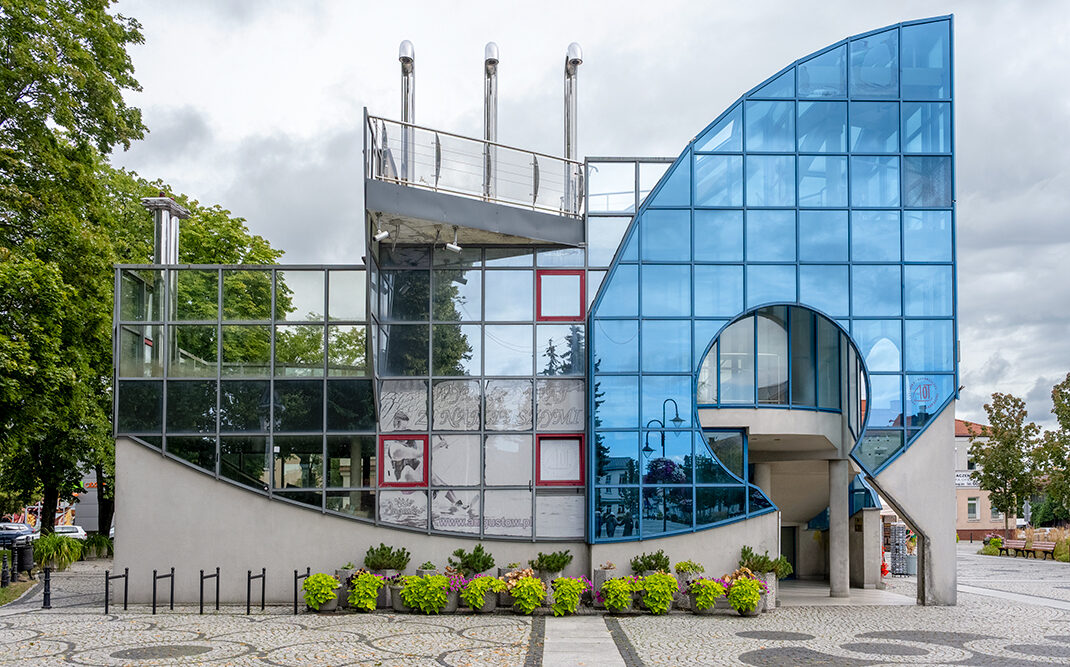
Seventy percent of respondents to a survey conducted by the Augustów city council (2024) want the demolition of the postmodern building on the eastern side of the Sigismund Augustus Market Square. The so-called “Atol,” built in 2003 at a cost Read more…
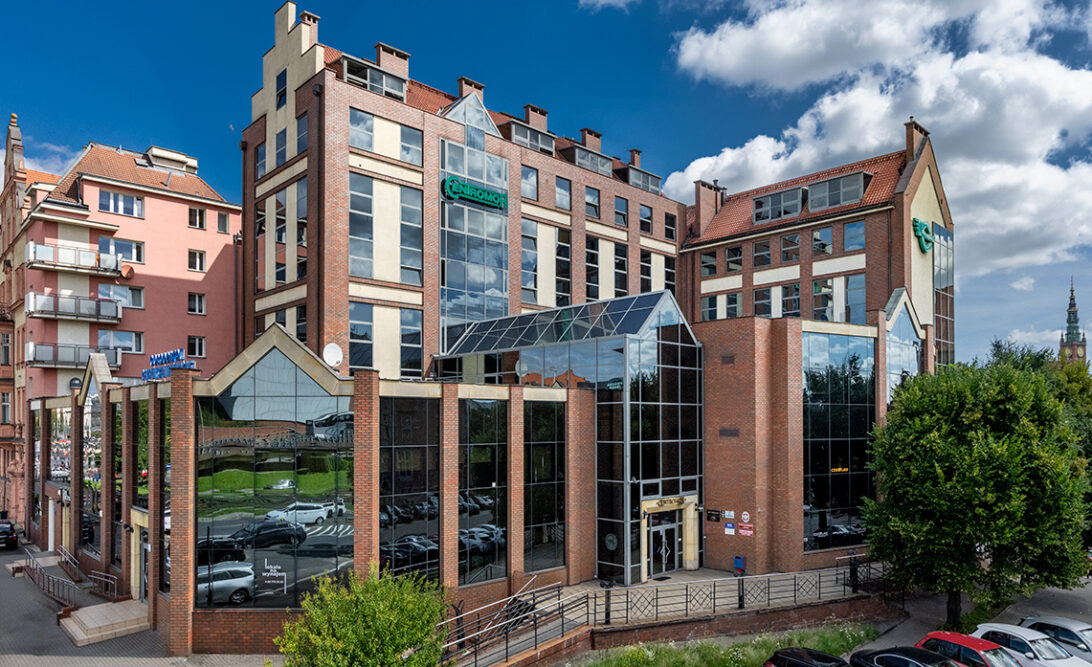
Rebuilt between 1998 and 2000, this mid-1960s office building served as the headquarters of Centromor until 2007. The expansion and modernization of the communist-era building included the addition of a new wing on the Bogusławskiego Street side, its functional connection Read more…
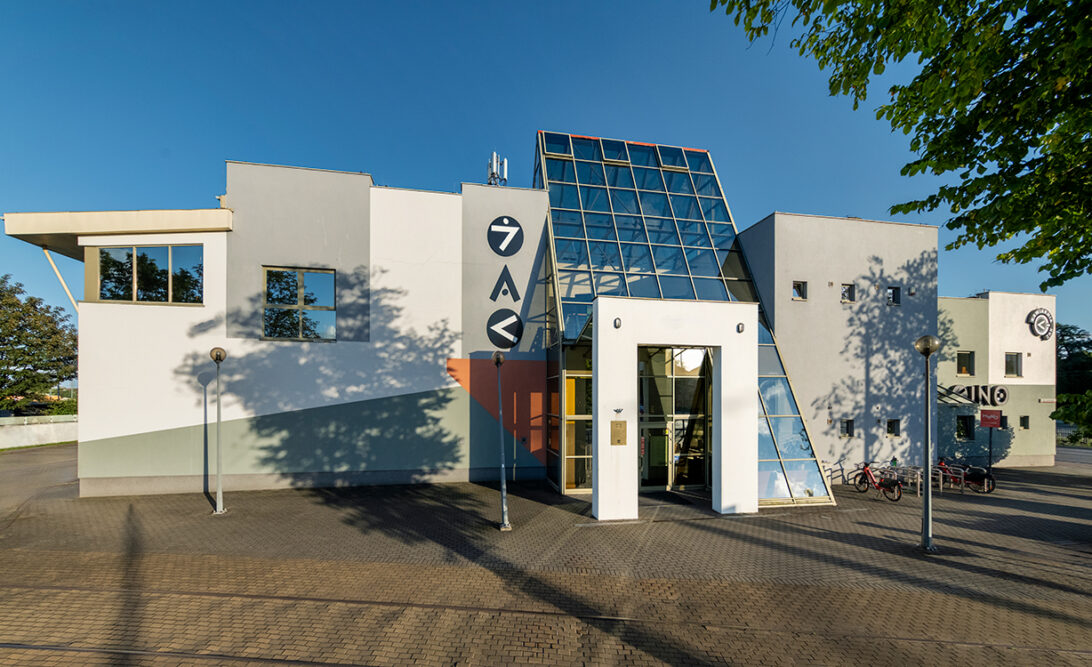
This postmodern building was created through the adaptation and reconstruction of a former tram depot in the Wrzeszcz district of Gdańsk. Designed by the now-defunct Diogenes Studio, headed by Maria Krystyna Sikorska, the project, carried out by the City of Read more…
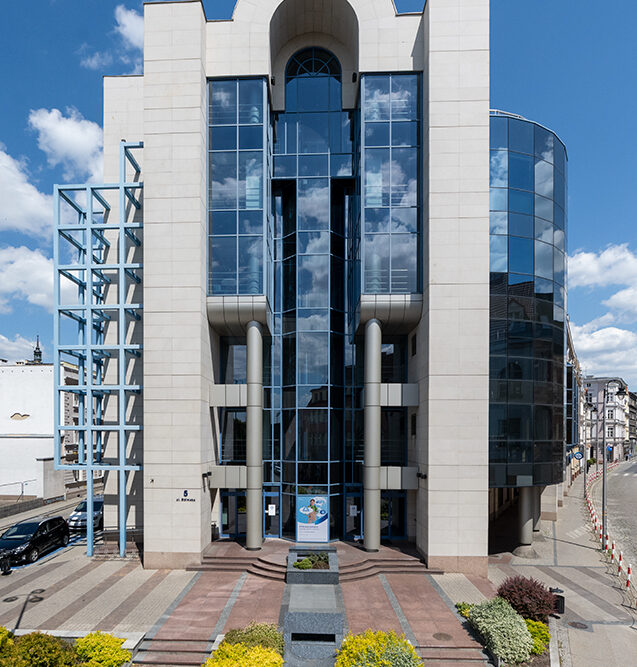
The PZU building in Opole was built at the turn of the century among the historic tenement houses of the city center. Previously, before and after World War II, the prestigious Monopol Hotel operated on this site, renamed the Bristol Read more…
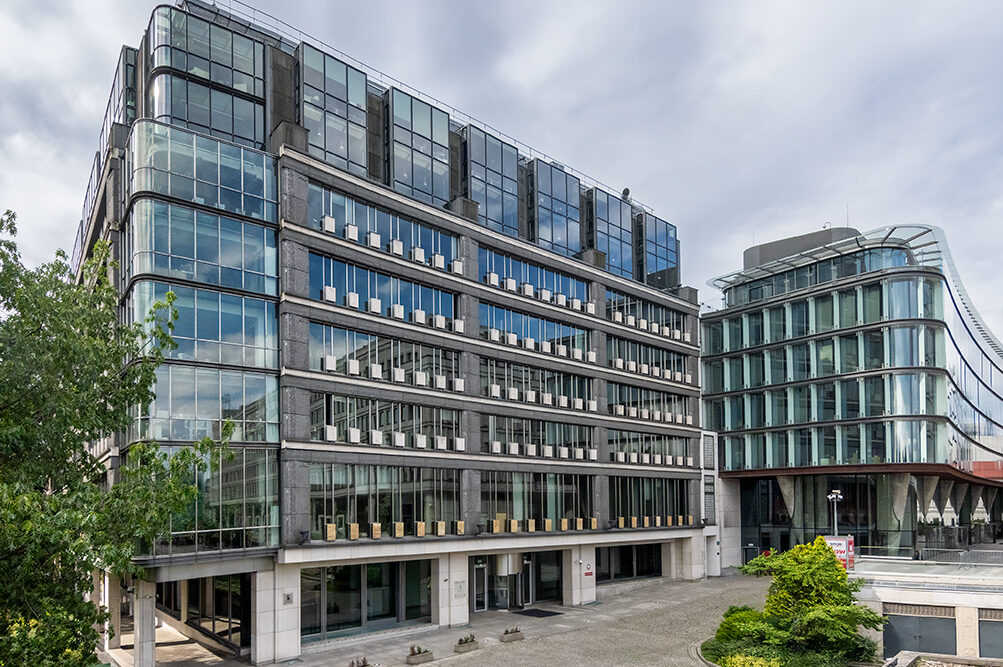
One of Warsaw’s finest projects of the 1990s, the office building, built between 1998 and 2000, houses the Warsaw Stock Exchange, the National Depository for Securities, and the Polish Power Exchange. Its architectural design was created by Stanisław Fiszer and Read more…
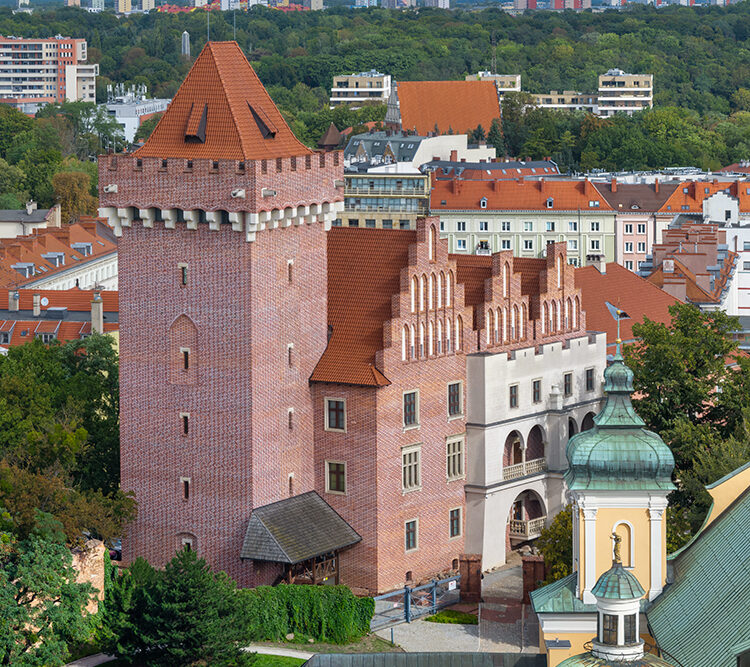
According to critics, Disneyland, Gargamel, and the dummy, whose construction between 2010 and 2013 irreversibly encased the relics of the medieval original in concrete. The project to restore the “castle anew” was created by Witold Milewski, the author of, among Read more…
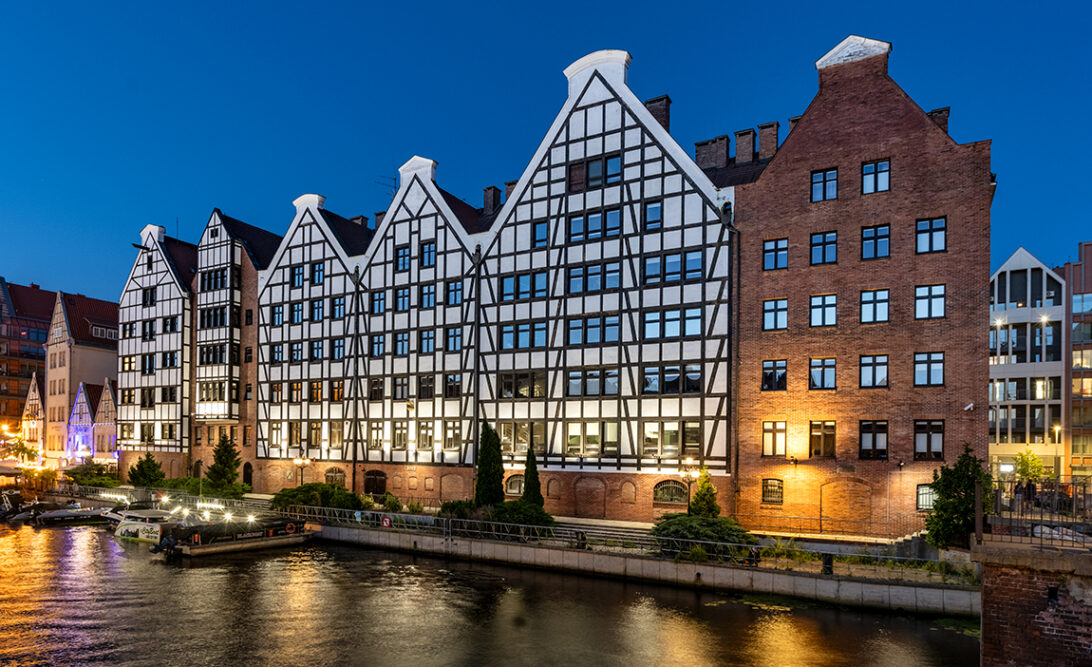
A unique structure from the era of “ZUS palaces,” it draws on the history of the site instead of reflective blue glazing, stone cladding, and expressive deconstructivist forms. The building, erected in the late 1980s, references the complex of historic Read more…
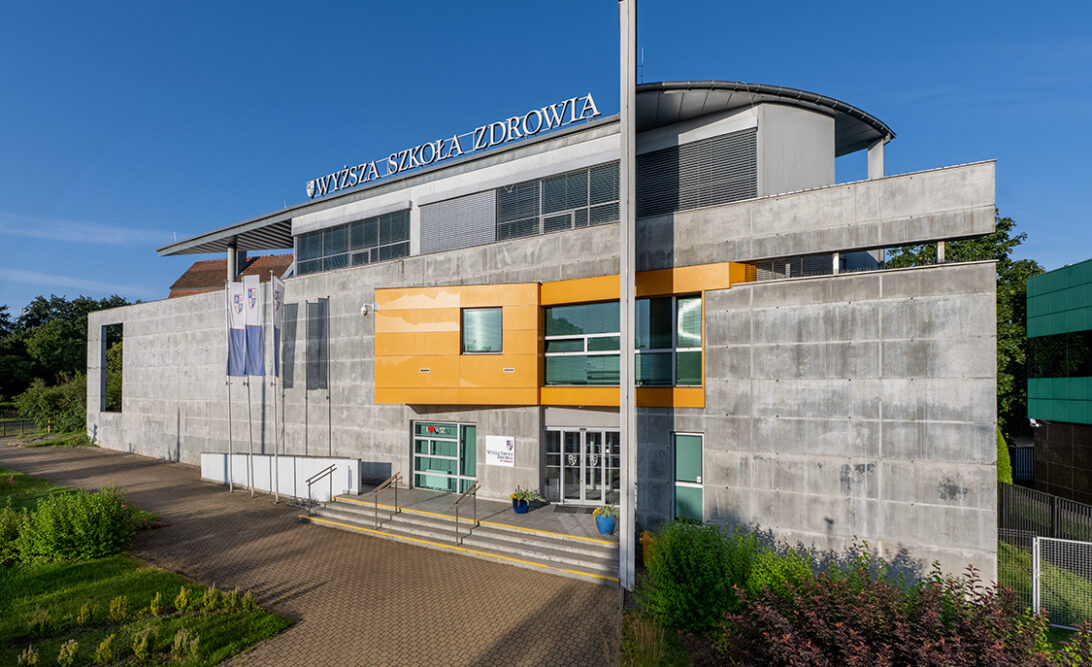
This four-story teaching building of a private university established in Gdańsk in 1999 was built between 2000 and 2002, designed by Zbigniew Reszka and his Arch Deco studio. The building’s most striking feature is its façade facing Subisława Street, composed Read more…
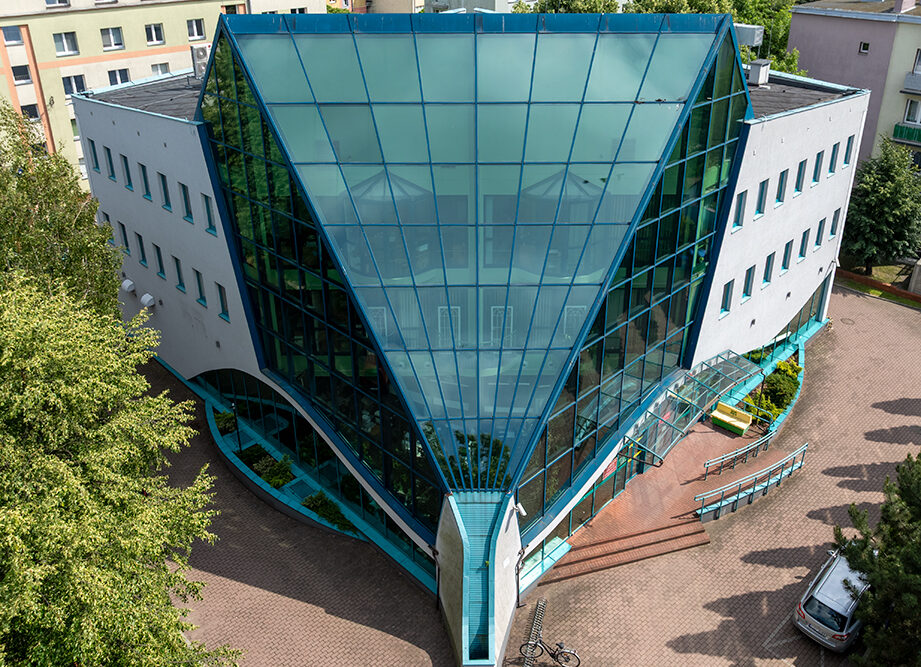
Building “B” of the Social Insurance Institution in Zduńska Wola, built in the late 1990s. Address: ul. Kilińskiego 24, Zduńska Wola.
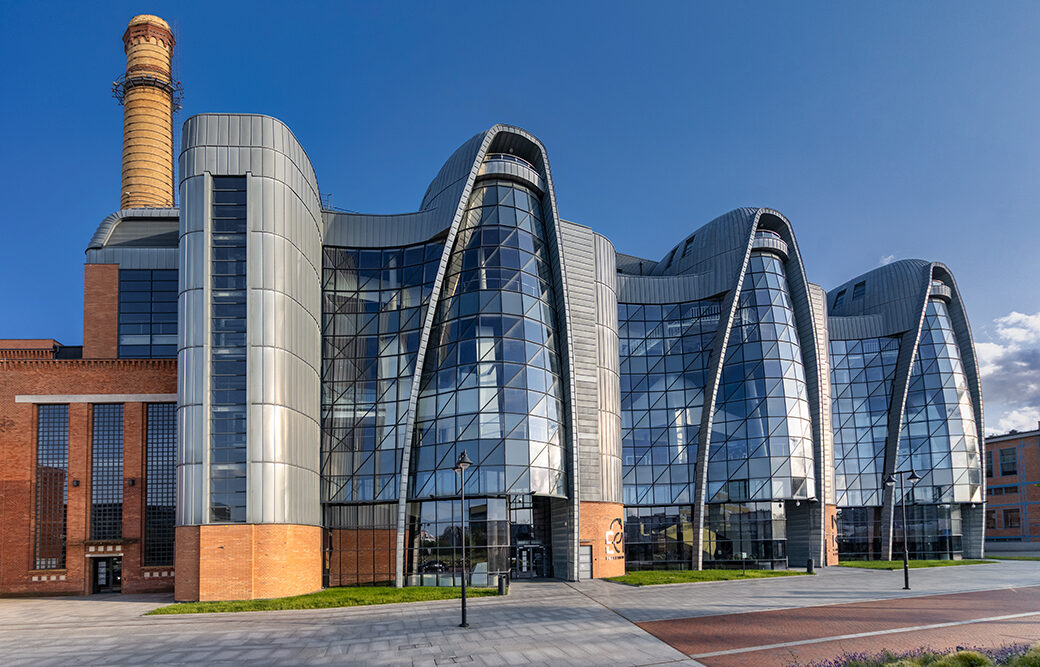
The revitalized Łódź Power Plant complex houses a number of the city’s cultural institutions, including the Centre for Science and Technology, the CE1 Planetarium, the National Centre for Film Culture, and the Łódź Film Commission. It consists of two main Read more…
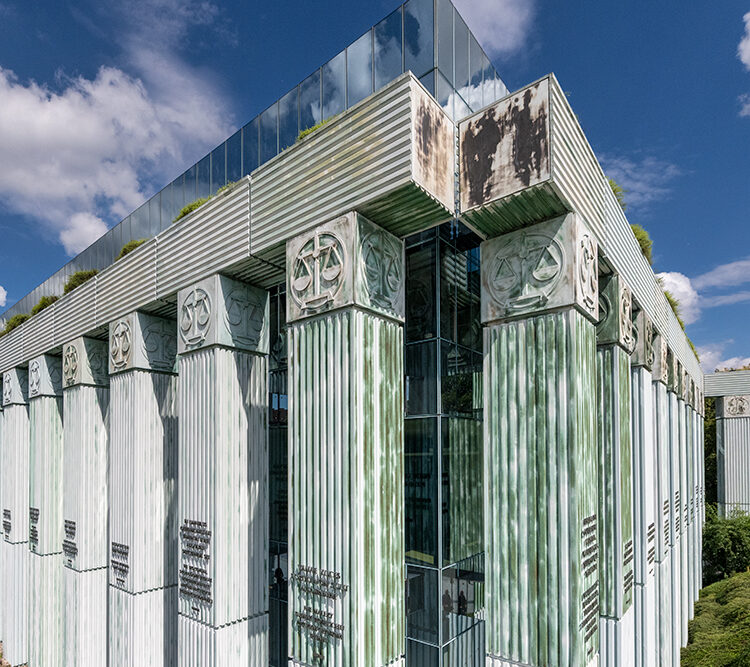
The design for the complex at Krasiński Square in Warsaw was selected in a competition held in 1991. The winning concept was created by Marek Budzyński and Zbigniew Badowski, with around 20 other architects collaborating. As Budzyński recalled on Polish Read more…
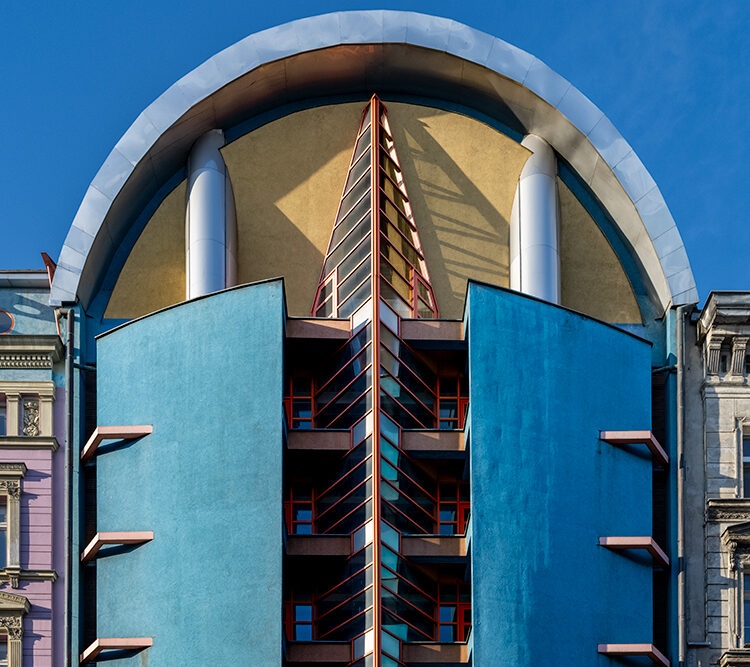
This 24-hour parking garage on Rejtana Street in Wrocław was built in 1998 in a postmodern style. The facility was designed by Edward Lach and his Studio EL studio. Address: ul. Tadeusza Rejtana 9, Wrocław.
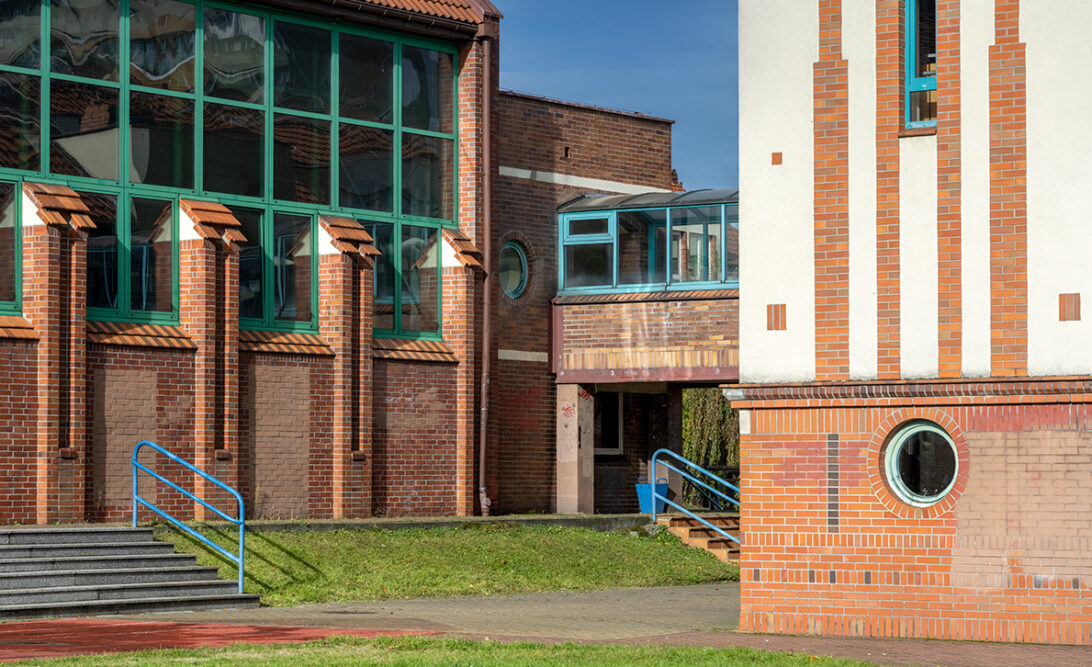
The school complex in Giszowiec was built between 1990 and 2002 according to the winning design by Stanisław Niemczyk, Anna Pieńkowska-Kuszewska and Marek Kuszewski. The investment was carried out in stages, the first of which was completed in 1993 with Read more…
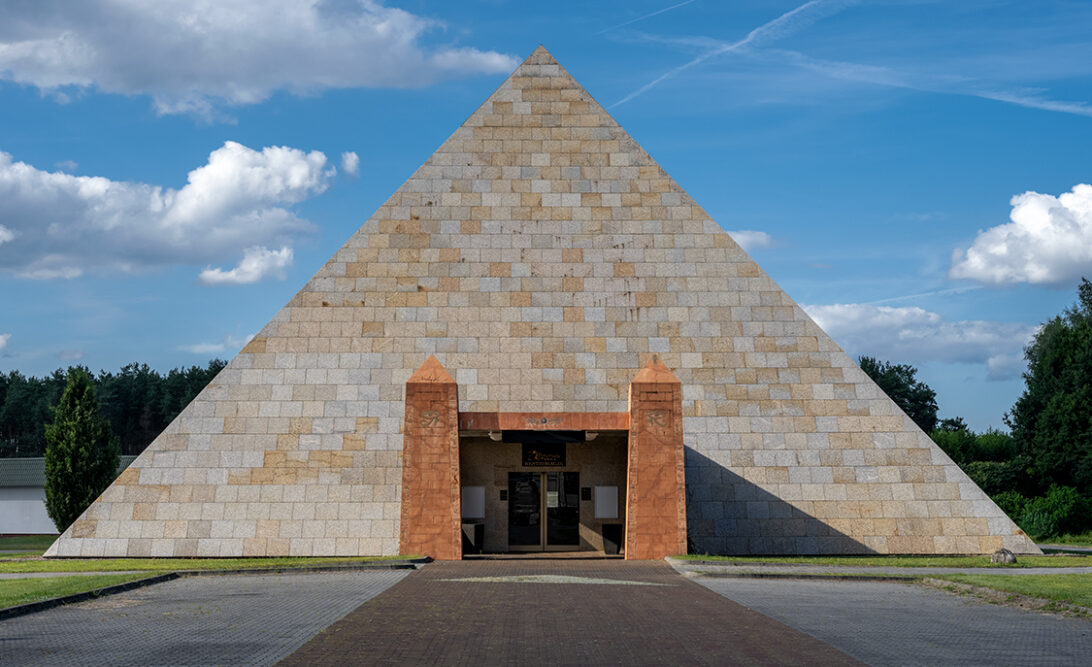
According to its owners, the Horus Pyramid in Poźrzadle is ‘one of the most beautiful public buildings in Poland’. It is part of the Nevada Centre complex, which also includes a petrol station, a lorry park (Nevada), two bistros and Read more…
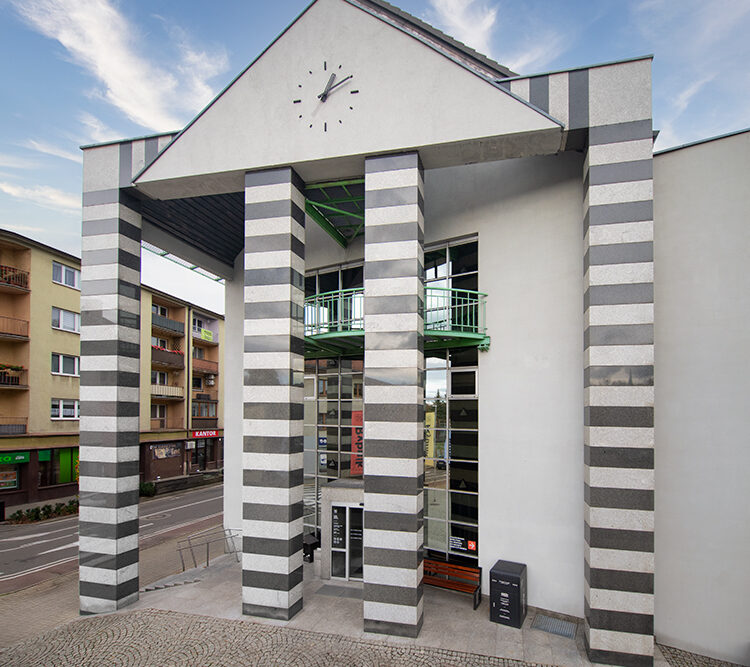
The office building in Rybnik, known as the ‘New Town Hall’ (the ‘old’ one is located on the Market Square), was built between 1927 and 1928. It was constructed in the classicist style with a representative front façade on the Read more…
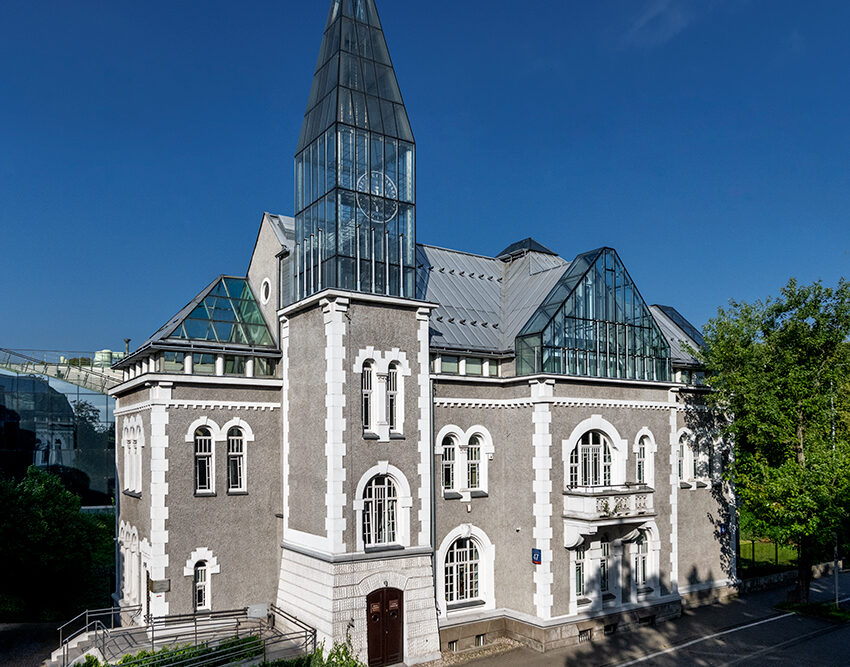
The villa was rebuilt after World War II, designed by Bronisław Brochwicz-Rogoyski and built in Powiśle in 1905. Until the war, it served as residential and administrative premises for the city’s water supply and sewage services, and after the war Read more…

A multi-storey car park in the centre of Wrocław, built between 1993 and 2000, an icon of Polish postmodernism and 1990s architecture. Designed on commission from Parkingi Miejskie S.A. by Stefan Müller (and his Terra office) in collaboration with Paweł Read more…
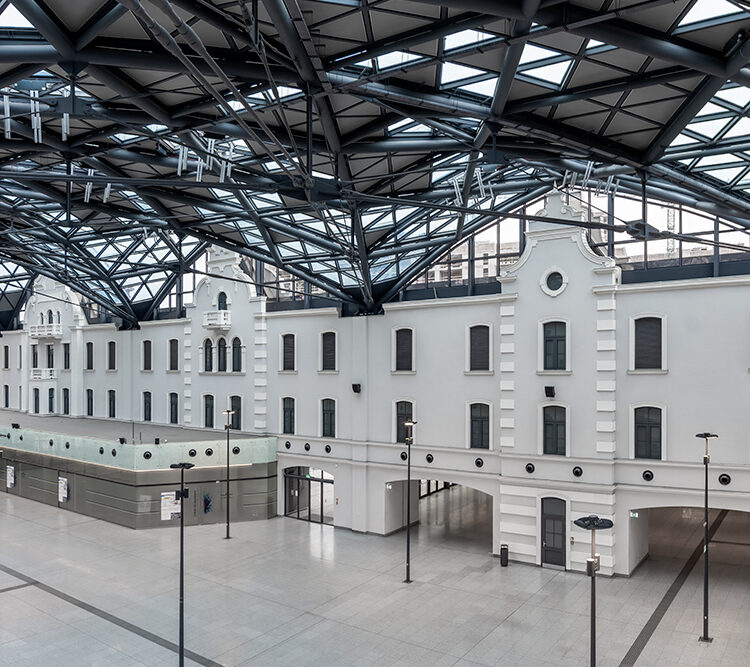
One of the most modern railway stations in Poland (PREMIUM standard), built on the site of a former railway station modernised in 1930. Completed between 2011 and 2016 according to a design by Ewelina Oskroba, in collaboration with the Systra Read more…

Zrealizowano w ramach stypendium Ministra Kultury i Dziedzictwa Narodowego